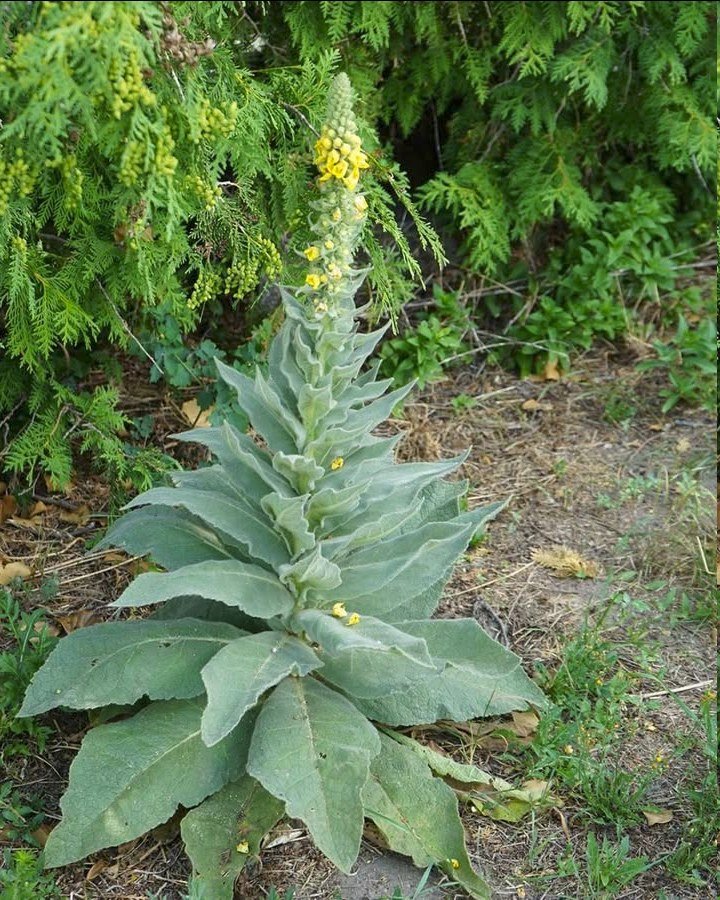
The mullein plant, often overlooked by many, is a botanical treasure trove of benefits. Known scientifically as Verbascum thapsus, this tall, fuzzy-leaved plant is a common sight along roadsides and in open fields. Despite its unassuming appearance, mullein has been used for centuries in traditional medicine for its wide array of health benefits. Its towering stalks and vibrant yellow flowers make it a striking plant, yet many pass by without realizing its potential. Mullein is not just a weed; it’s a powerhouse of natural remedies waiting to be discovered.
Historical Significance and Folklore
Mullein has a rich history steeped in folklore and traditional use. In ancient times, it was believed to ward off evil spirits and was often used in rituals and ceremonies. The Greeks and Romans used mullein for its medicinal properties, particularly for respiratory ailments. In the Middle Ages, it was known as ‘Hag’s Taper’ and was used as a wick for candles. Native Americans also recognized its healing properties, using it to treat coughs, colds, and skin conditions. The plant’s historical significance is a testament to its enduring value in herbal medicine.
Identifying the Mullein Plant
Identifying mullein is relatively easy due to its distinctive features. The plant typically grows between 2 to 6 feet tall, with a single, unbranched stalk. Its large, velvety leaves are arranged in a rosette at the base, and the stalk is topped with a dense spike of small, yellow flowers. The leaves are soft and fuzzy to the touch, a characteristic that helps the plant conserve moisture. Mullein’s unique appearance makes it easy to spot once you know what to look for.
Habitat and Growth Conditions
Mullein thrives in a variety of environments, making it a versatile plant. It prefers well-drained, sandy soils and is often found in disturbed areas such as roadsides, fields, and open meadows. Mullein is a biennial plant, meaning it completes its life cycle in two years. In the first year, it forms a rosette of leaves, and in the second year, it sends up a flowering stalk. The plant is hardy and drought-resistant, able to grow in poor soil conditions where other plants might struggle.
For Complete Cooking STEPS Please Head On Over To Next Page Or Open button (>) and don’t forget to SHARE with your Facebook friends